 Book Appointment

Essential Jewelry Care Tips and Instructions
November 15th, 2026
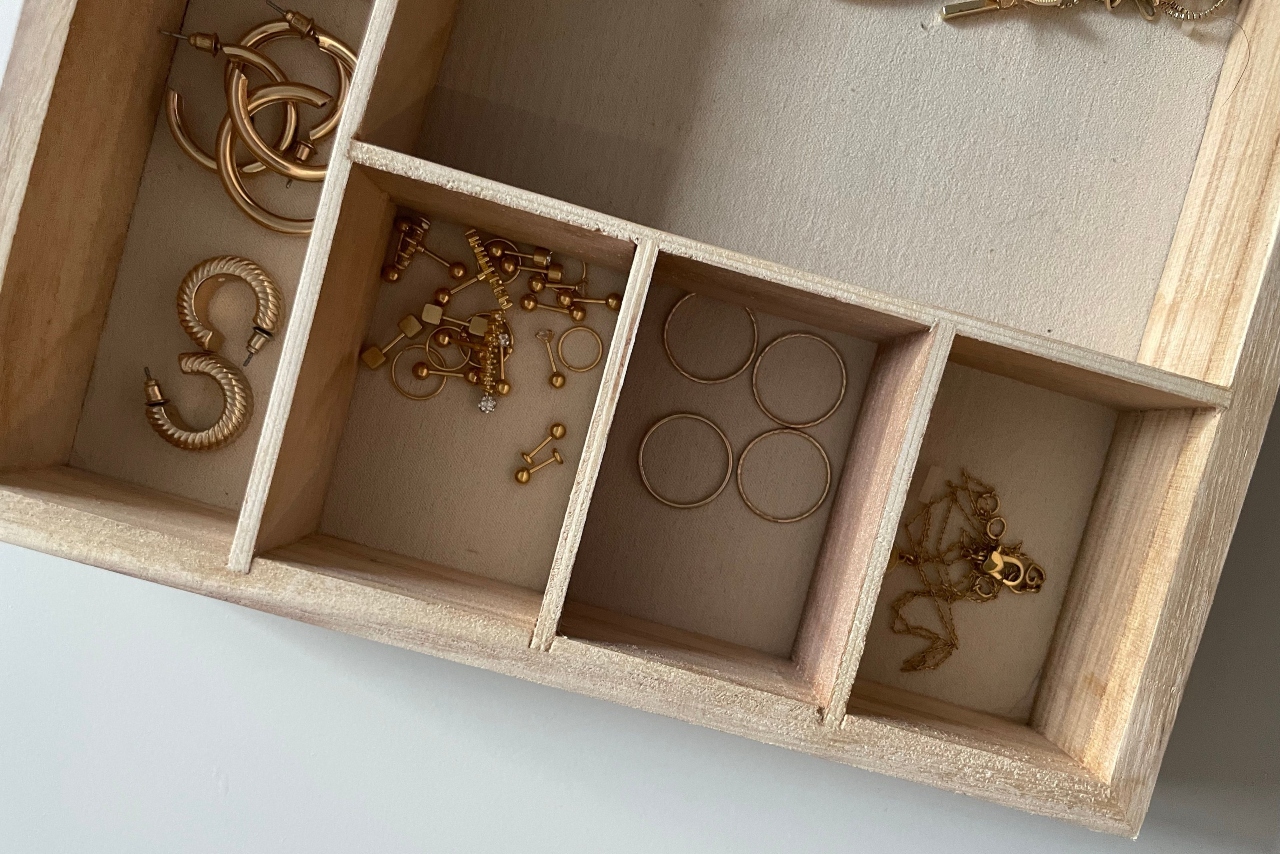
Fine jewelry holds more than monetary value. Each piece of jewelry carries cherished memories, family history, and personal meaning that no replacement can match. Proper care keeps those treasured pieces sparkling, structurally sound, and ready to pass down through generations.
This guide covers practical jewelry care tips that clients across Shreveport, Louisiana, can put to use at home. Simple habits like gentle cleaning, smart storage, and regular inspections help prevent loose stones, worn prongs, and dull metal before problems become expensive. At Clarkes Jewelers, a fifth-generation, family-owned fine jeweler trusted for over 90 years, we see firsthand how a little routine maintenance keeps heirloom pieces looking their best for decades.
Everyday Jewelry Care Tips: Wear, Remove, and Store Wisely
Daily wear habits protect jewelry far more than an occasional deeper cleaning session. Small, consistent actions reduce the buildup of body oils, sweat salts, and product residue that degrade metal and dull stones over time.
Remove jewelry before these activities:
- Cleaning with bleach, ammonia, or strong detergents
- Gardening, yard work, or heavy lifting
- Exercising or playing sports (impact and sweat both cause damage)
- Swimming in pools or hot tubs, where chlorine and salt corrode metal
- Applying hair dye or using aerosol products
Fitness activities, swimming, and exposure to chemicals can damage jewelry in ways that are difficult or costly to reverse. Put jewelry on last, after perfume, hairspray, and lotion have dried, and take it off first when undressing. This "last on, first off" rule reduces chemical buildup on metals and stones.
Keep pieces dry. Remove rings before washing dishes when possible. If jewelry does get wet, dry it immediately with a soft cloth. At the end of each day, wipe every piece you wore with a lint free cloth to remove oils and residue. To maintain jewelry appearance, wipe it with a soft cloth after wearing; this single step slows tarnish on silver jewelry and keeps gold and gemstones bright. Those living in the Shreveport-Bossier area, where summer humidity regularly exceeds 70%, should be especially diligent about drying and wiping, since moisture accelerates tarnish and corrosion on many metals.
How to Clean Jewelry at Home Safely
Many fine pieces tolerate home cleaning if done correctly. Not all jewelry should go into DIY solutions, though. Different materials require distinct cleaning techniques to avoid damage, so always consider what metal and stones you're working with before starting.
Here is a safe, universal cleaning process for most gold anddiamond jewelry:
- Fill a small bowl with warm water (not hot) and add a few drops of mild dish soap.
- Soak the piece for five to ten minutes to loosen dirt.
- Use a soft bristled toothbrush or soft brush to gently scrub behind stones and inside crevices.
- Rinse under lukewarm running water (place a strainer in the sink to catch anything that slips).
- Pat completely dry with a soft cotton or microfiber cloth, then let air dry before storing.
To clean gold jewelry, this mild soap solution of warm water and dish soap is all you need. Never use toothpaste, baking soda, or abrasive powders on gold; these scratch the surface and strip rhodium plating from white gold.
For silver pieces with light tarnish, a silver polishing cloth removes discoloration quickly. Regularly clean silver jewelry to prevent tarnish buildup. Heavily tarnished silver or pieces with many small stones are better handled by a professional jeweler who can clean without risking detail loss.
Avoid harsh chemicals: bleach, chlorine-based cleaners, ammonia products not formulated for jewelry, and alcohol-only solutions all pit, corrode, or dull metal and gemstones. Never boil jewelry or subject it to sudden temperature changes, which can crack vulnerable stones like opal and tanzanite. If you spot loose settings, visible cracks, or any movement in a stone, stop cleaning and bring the piece in for inspection. For a more detailed walkthrough, see ourguide to cleaning jewelry.
Caring for Different Metals: Gold, Silver, and Platinum
Gold, silver, and platinum each react differently to wear, chemicals, and moisture, so care must be tailored to the metal.
Gold (14K is 58.3% gold; 18K is 75% gold): Higher karat gold is softer and scratches more easily. Avoid wearing fine gold rings during manual work or weight lifting. Clean gold with soapy water and a soft brush. Store each piece in individual pouches to prevent scratches from contact with harder metals or stones.
Silver (sterling is 92.5% silver plus copper): The copper content reacts with sulfur and moisture to form tarnish. In humid climates like North Louisiana, silver can visibly tarnish within days if left exposed. Store silver in lined jewelry boxes or anti-tarnish pouches, and polish regularly with a designated cloth. Silver pieces with intricate engraving or filigree should not be aggressively polished at home; over-polishing thins the metal and blurs fine details.
Platinum: Platinum resists tarnish and corrosion better than gold or silver because it does not contain copper or other reactive alloy metals. It does develop a soft patina of microscopic surface scuffs over time. Some owners prefer this look; professional polishing restores a mirror finish. Professional cleaning of platinum jewelry is recommended every six months to maintain its condition.
All metals scratch when stored together. Never toss mixed jewelry into a single dish or drawer.
Caring for Gemstones, Diamonds, and Pearls
Diamonds rank 10 on the Mohs hardness scale, but they can still chip at the girdle on impact and will scratch other materials and stones on contact. Store diamond jewelry separately. Clean with warm water, mild soap, and a soft toothbrush. Avoid strong chemicals and high heat.
Colored gemstones vary widely in durability. Emeralds (often oil-filled to improve clarity), opals (containing water that can dry out), and tanzanite (hardness 6 to 7 on the Mohs scale) are particularly sensitive to heat, chemicals, and sudden temperature changes. Remove gemstone jewelry before physical activities, extended time in direct sunlight, or entering hot tubs. For delicate gems, only use lukewarm water and gentle methods. Avoid ultrasonic cleaners and steam cleaners for these stones, as vibrations and heat can degrade treatments or fracture fragile inclusions. According to theGIA, always start with the gentlest cleaning method and confirm whether a stone has been treated before choosing a technique.
Costume jewelry or pieces with glued-in stones should not be submerged in water; adhesives degrade with moisture. Instead, clean with a damp cloth and mild soap, then dry well.
Pearl jewelry requires particular attention. Pearls have a Mohs hardness of about 2.5 and are sensitive to acids, perfumes, and heat. Put pearls on after hair and makeup. Wipe gently with a soft cloth after wearing to remove body oils. Store them flat in a soft pouch or soft-lined box, never in airtight plastic bags, as pearls need to breathe. To clean pearls, use only a damp cloth. Never soak them or use ultrasonic cleaners. If a pearl strand was last restrung more than three to five years ago and sees regular wear, have it inspected and likely restrung. If you are unsure what stone a piece contains, avoid DIY cleaners and bring it to Clarkes Jewelers for identification.
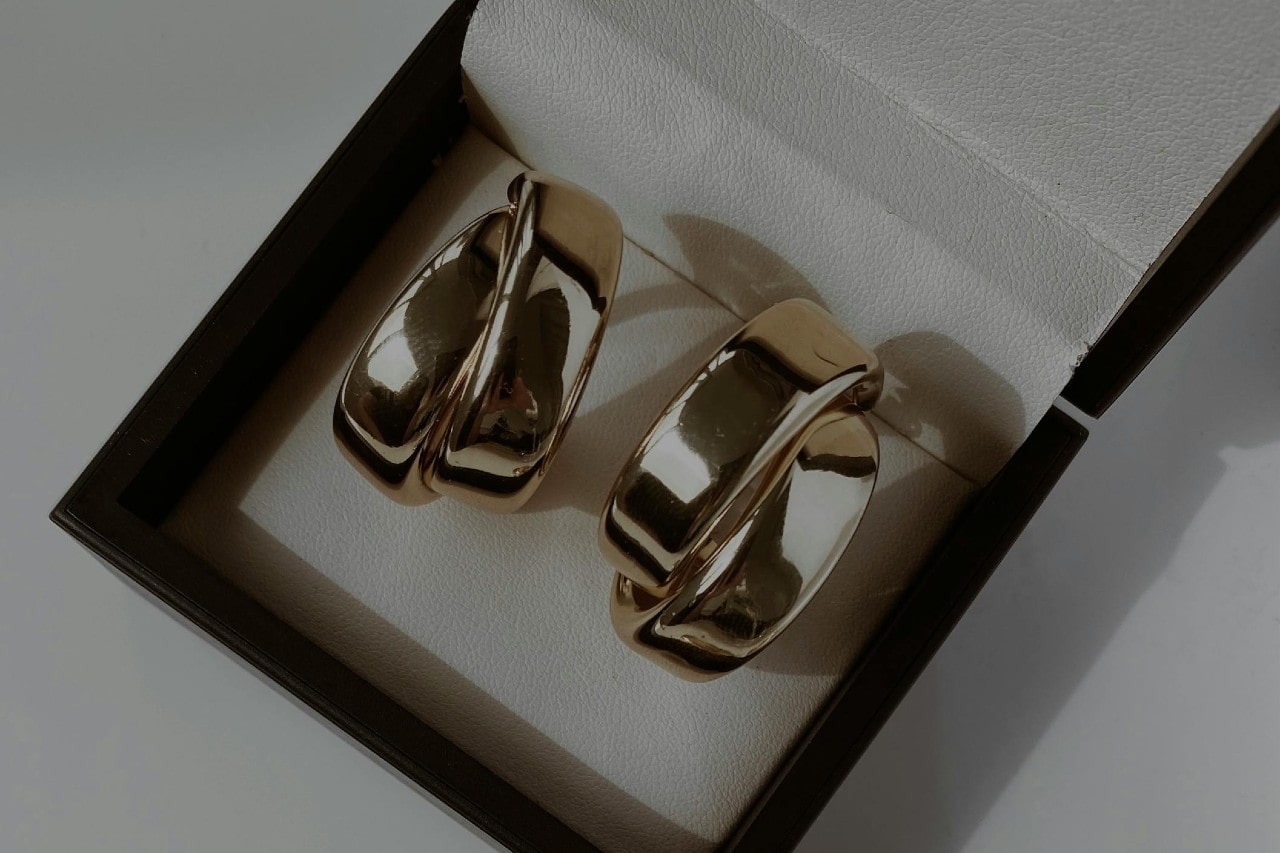
Safe Storage: Prevent Scratches, Tangles, and Tarnish
Proper storage is one of the easiest ways to prevent damage, yet many collections sit in tangled piles inside drawers.
- Store each piece of jewelry separately. Rings with prongs, diamond studs, and bracelets with delicate links all risk scratching or snagging when bundled together.
- Use individual pouches, lined jewelry boxes, or compartmentalized trays. Silver jewelry benefits from anti tarnish strips or anti-tarnish linings that slow oxidation.
- Lay necklaces flat or hang them with clasps closed to prevent chain knots. Fragile chains deserve their own space.
- Avoid leaving jewelry on bathroom counters or nightstands, where moisture, cosmetics, and accidental knocks cause damage. A catch dish works only for very temporary storage.
- Keep jewelry in a cool, dry place away from direct sunlight, heating vents, and windowsills. UV exposure fades certain gemstones, and heat dries out organic materials like pearls and opals.
- For clients in Shreveport and surrounding areas where summer humidity stays high, dry, enclosed storage matters most. Consider adding silica gel packets to jewelry boxes for extra moisture control.
When to Seek Professional Cleaning, Inspection, and Repair
At-home care handles daily maintenance. Professional cleaning and regular inspections catch what hands and eyes at home cannot: micro-fractures in prongs, thinning shanks, and stones shifting fractions of a millimeter in their settings.
- Professional cleaning is recommended every six months for pieces in daily wear and at least annually for less frequently worn favorite pieces. Annual professional cleaning is advisable for gemstone jewelry that may have treatments affected by wear.
- Inspect jewelry regularly for loose settings and wear. Warning signs that need immediate attention: loose stones rattling or shifting, prongs catching on clothing, visible gaps in settings, thinning ring shanks, and clasps that do not close securely.
- Professional inspections catch loose stones and worn prongs before they lead to stone loss. Regular inspections prevent costly repairs by identifying issues early, when a simple prong re-tip costs far less than replacing a lost diamond.
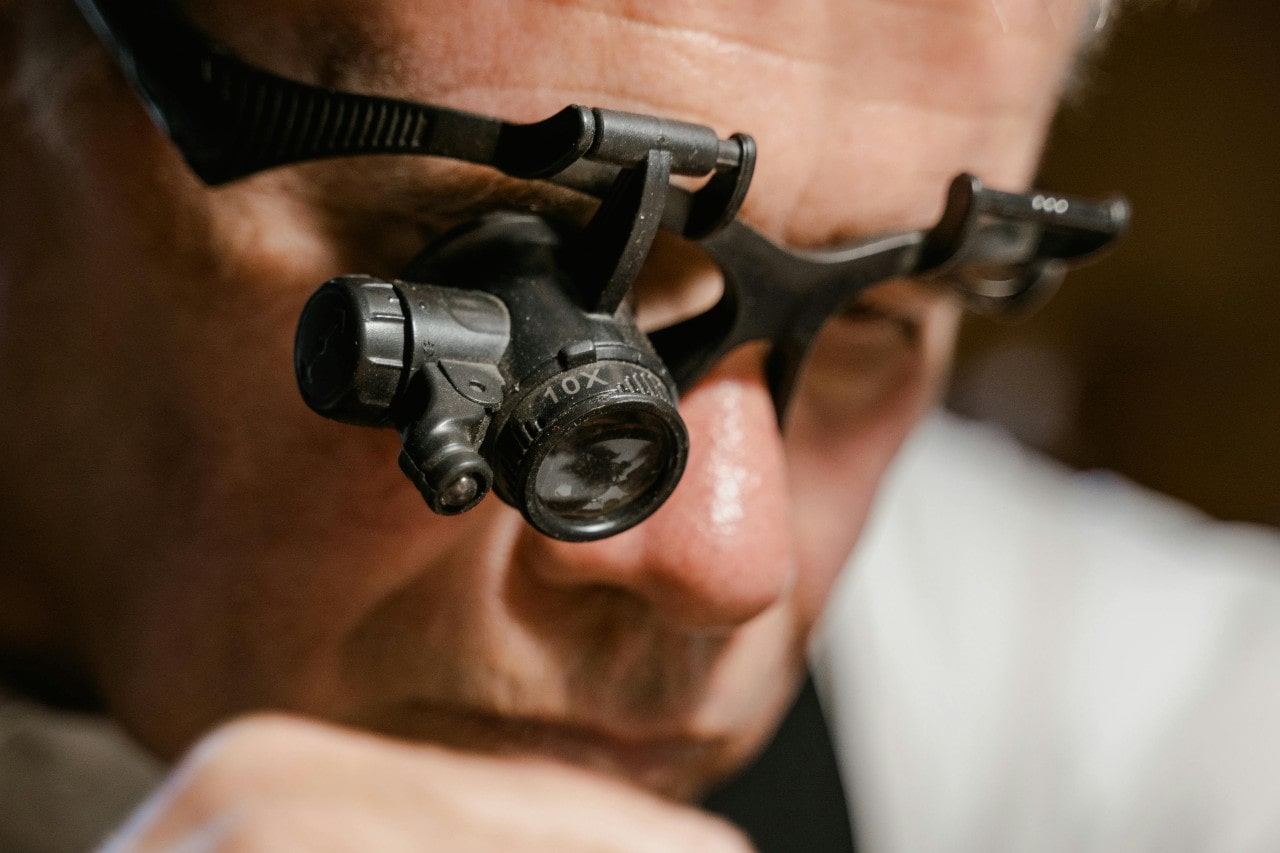
- A professional jeweler uses specialized tools for thorough cleaning and inspection, including controlled steam, calibrated ultrasonic cleaners (applied only when safe for the stone), and magnification to examine settings at 10x or higher.
- Antique, intricate, or highly sentimental heirloom pieces should always be evaluated by a jeweler before any cleaning at home. Professional care is crucial for intricate or sentimental pieces where risking damage with home methods is not worth the gamble.
Clarkes Jewelers provides expertjewelry repair, stone tightening, prong re-tipping, ring resizing, and gemstone replacement. According to aJewelers Mutual survey, 39% of self-purchasers have never had their jewelry professionally inspected. We welcome clients from across North Louisiana and East Texas, whether the piece was purchased here or inherited.
Special Services at Clarkes Jewelers to Keep Your Pieces Beautiful
Clarkes Jewelers has served Shreveport and the surrounding region for over 90 years, and our commitment extends well beyond the initial purchase. We are here for the lifetime of every piece in your collection.
- Complimentary steam cleaning while you browse the showroom; walk in with a dull ring and leave with it jewelry shining like the day it was bought.
- Detailed inspections for loose stones, worn prongs, and weakened clasps, performed by experienced professionals who know what to look for.
- Custom design services that let you reimagine worn heirlooms or outdated pieces into new designs with restored structural integrity.
- Appraisals for insurance or estate planning, where clean, well-maintained jewelry ensures accurate documentation and fair valuation.
- Precious metals buying for clients with damaged or unworn gold or silver who want to explore selling or repurposing those other materials in store.
- Complimentary gift wrapping, making it simple to present a freshly cleaned and polished piece as a meaningful gift.
Clients in Shreveport, Bossier City, Ruston, Monroe, Tyler, and Longview are welcome to visit for personalized jewelry care recommendations tailored to their lifestyle.
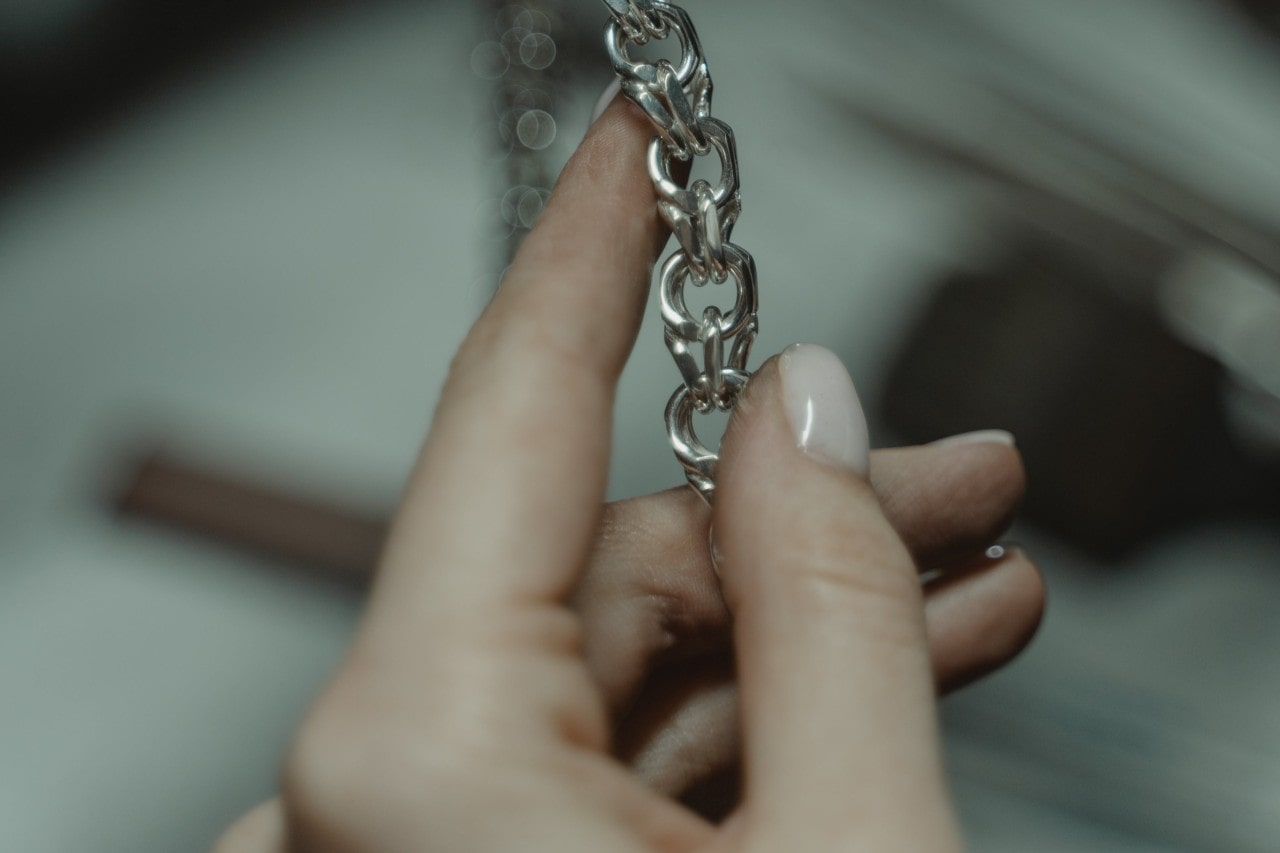
Protecting Your Collection for Generations
At Clarkes Jewelers, we understand that regular cleaning and careful storage maintain the brilliance and longevity of jewelry, but proper care also means knowing when to hand a piece to a professional. Three habits protect your collection for decades: thoughtful daily wear, gentle at-home cleaning with a mild soap solution, and consistent professional check-ups done once or twice a year for fine jewelry.
We encourage you to be cautious with how you store, clean, and wear your pieces. Small changes today pay off over years and generations. For questions about specific pieces, custom design ideas, or scheduling a cleaning and inspection, contact our team for personalized assistance.
